







Research

Since its founding in 1993, the TECO research group has been directing a multitude of projects across a wide range of research topics which can be divided into three broader Research Fields: Analytics, Human-Computer Interaction, and Sensors and Systems.

Current Projects

OpenEarable

OpenEarable

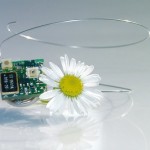
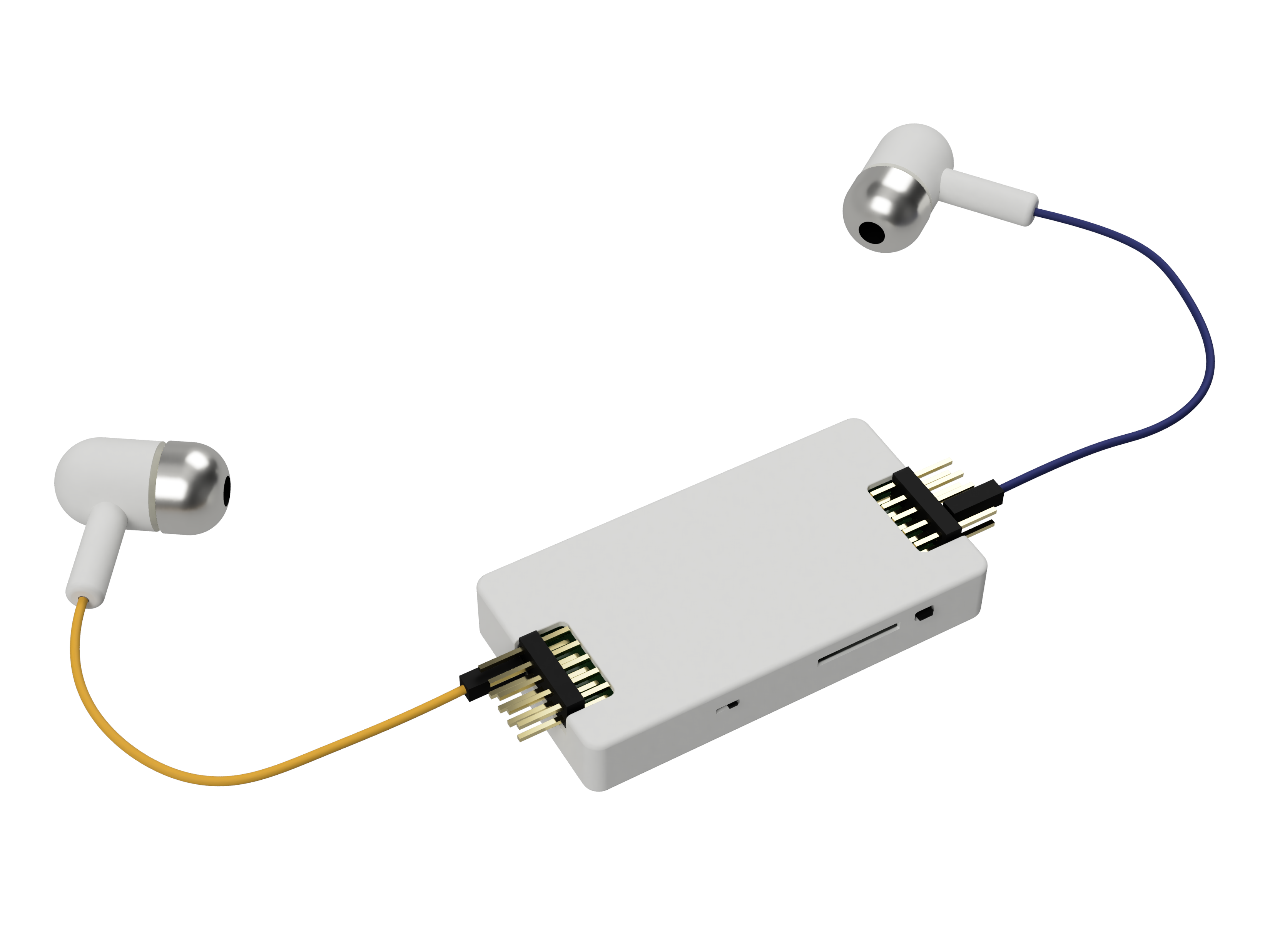
OpenEarable is an open-source, AI-enabled platform for ear-based sensing applications with true wireless audio. The modular and reconfigurable platform is packed with a variety of high-precision sensors, designed for both development and research applications.

edge-ml

edge-ml

edge-ml is an embedded-first machine learning framework designed to help developers build models for microcontrollers faster and more robustly. As a browser-based, end-to-end solution, it simplifies the entire ML pipeline into a few simple steps: recording data, labeling samples, training models, and deploying validated embedded machine learning directly on the edge.

EarXplore

EarXplore

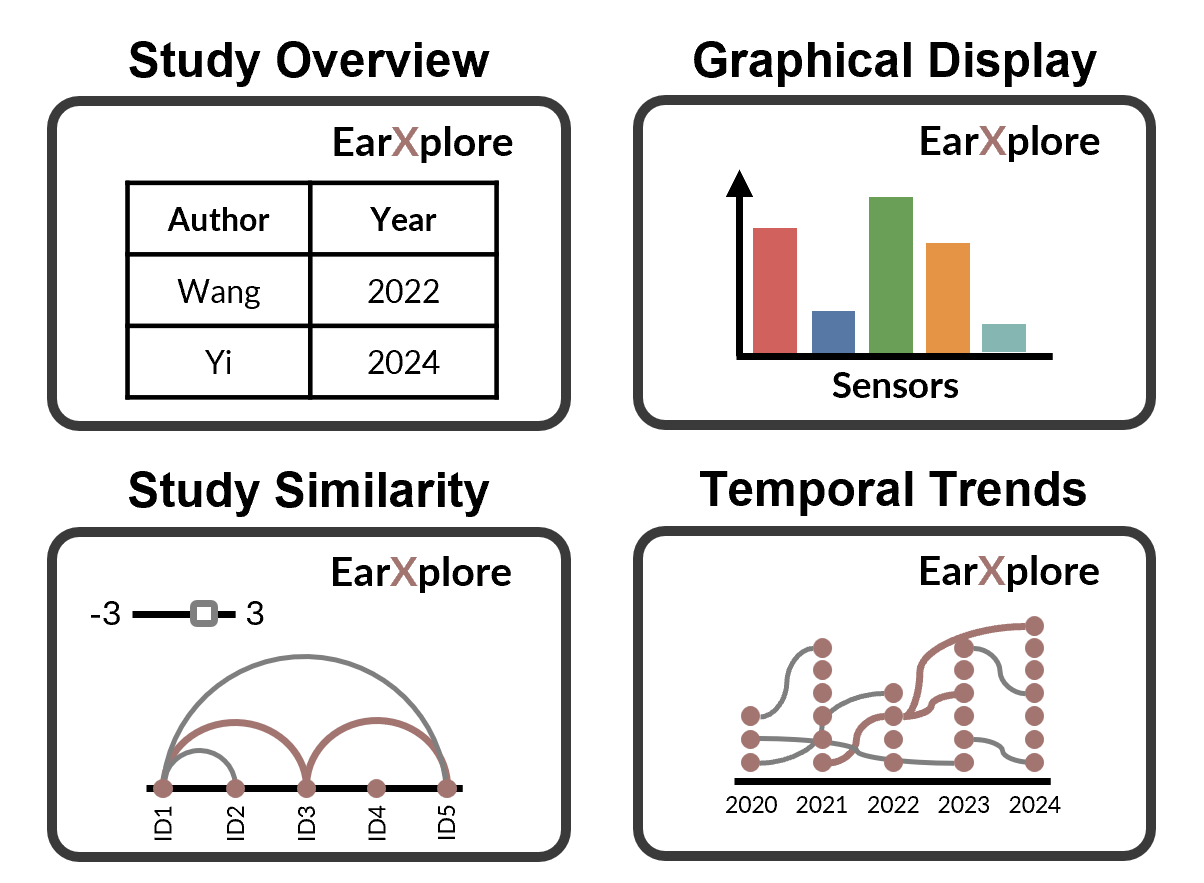
EarXplore is an evolving, interactive database that organizes and visualizes research on earables. It helps the community explore existing studies, uncover trends, and shape the future of earable technology.

Heatables

Heatables

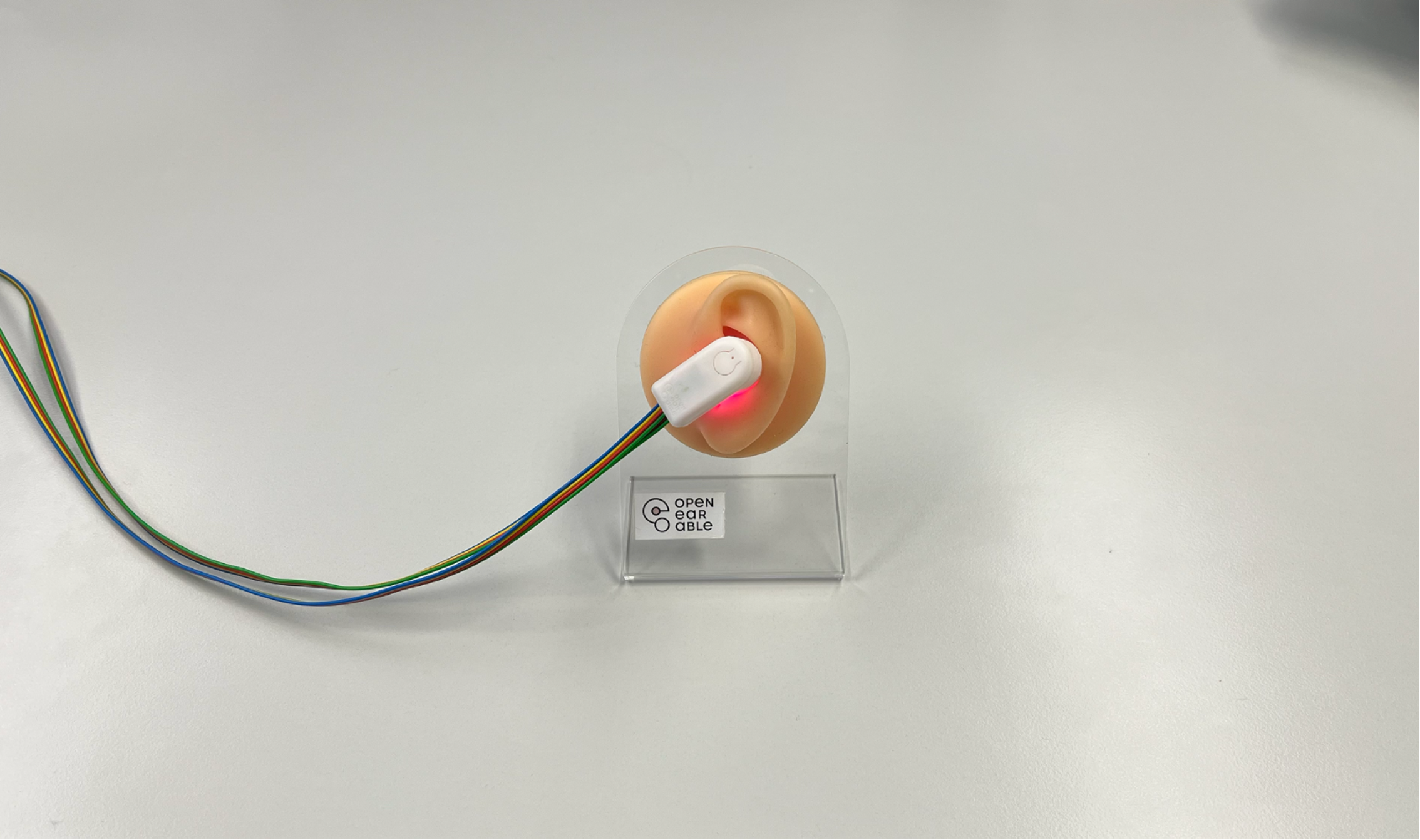
Heatables investigates the use of near-infrared (NIR) and infrared (IR) optical stimulation within the human ear to modulate thermal perception and comfort. The project explores the auditory canal as a novel physiological and perceptual interface for personalized thermal regulation.

OpenEarable ExG

OpenEarable ExG

An open-source hardware extension of the OpenEarable 1.3 platform that enables multifunctional biopotential sensing (EEG, EMG, EOG) in the ear, paving the way for new applications in HCI and wearable health.

UltrasonicSpheres: Localized, Multi-Channel Sound Spheres Using Off-the-Shelf Speakers and Earables

UltrasonicSpheres

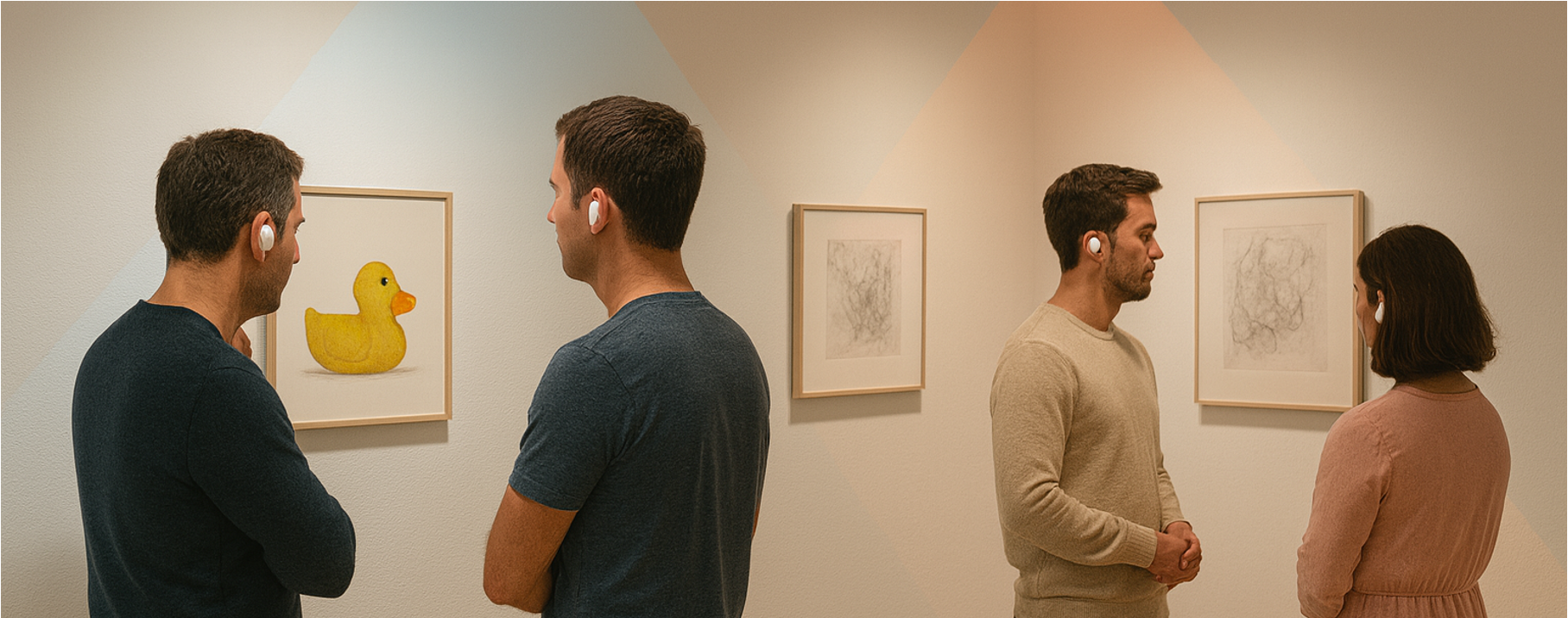
UltrasonicSpheres creates localized ultrasonic audio zones in space, audible only when wearing OpenEarable 2.0. As users move between zones, they automatically hear the corresponding audio — with spatial direction preserved and no sound leaking into the environment. The system enables natural, hands-free, location-based audio experiences using off-the-shelf speakers and open-source earables.

HARNode

HARNode

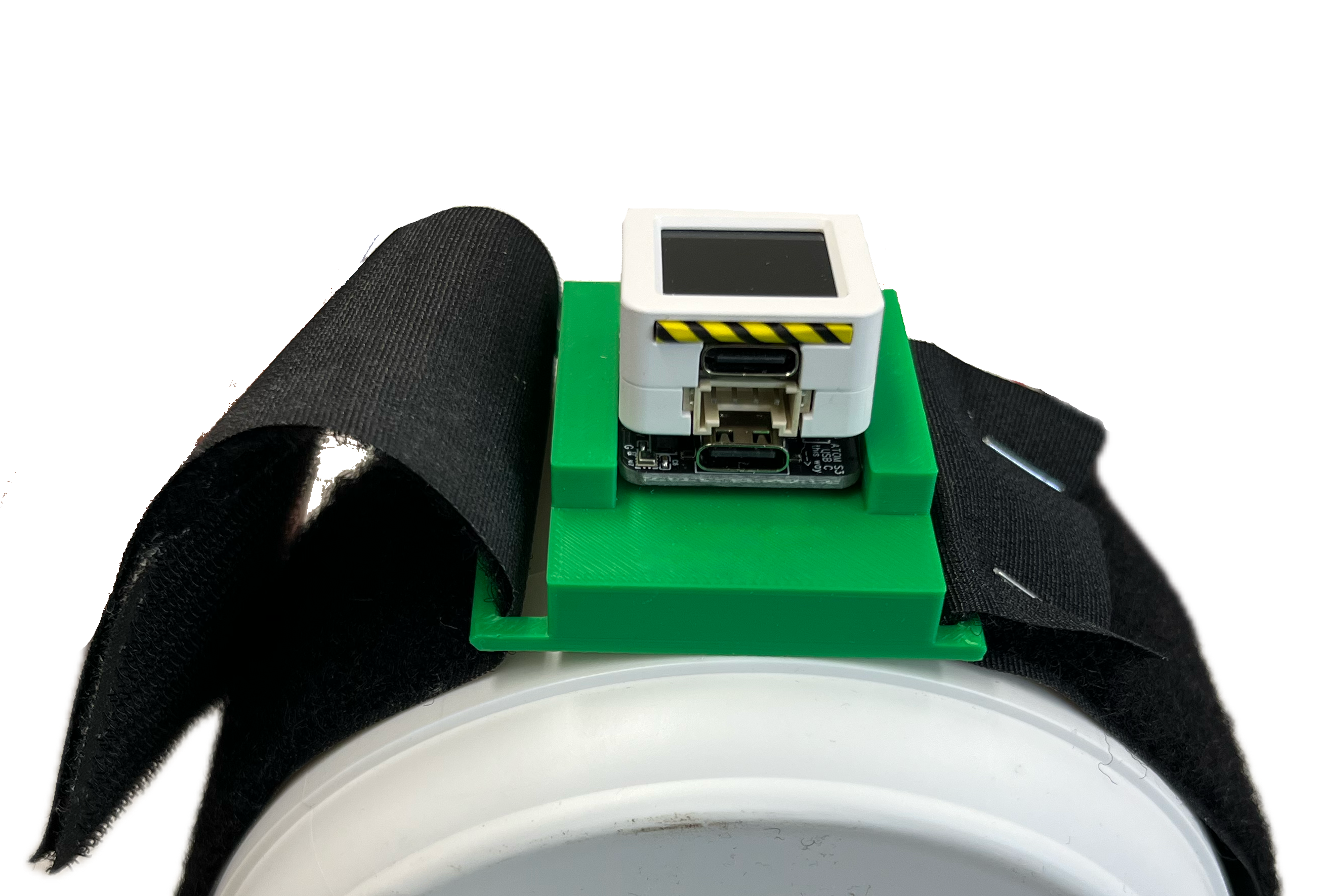
HARNode is an open-source, time-synchronised wearable system that enables scalable, multi-device human activity recognition (HAR) in real-world environments. Each node combines IMU and pressure sensors in a compact, Wi-Fi-connected module for high-precision motion data collection.

WHAR Datasets

WHAR Datasets

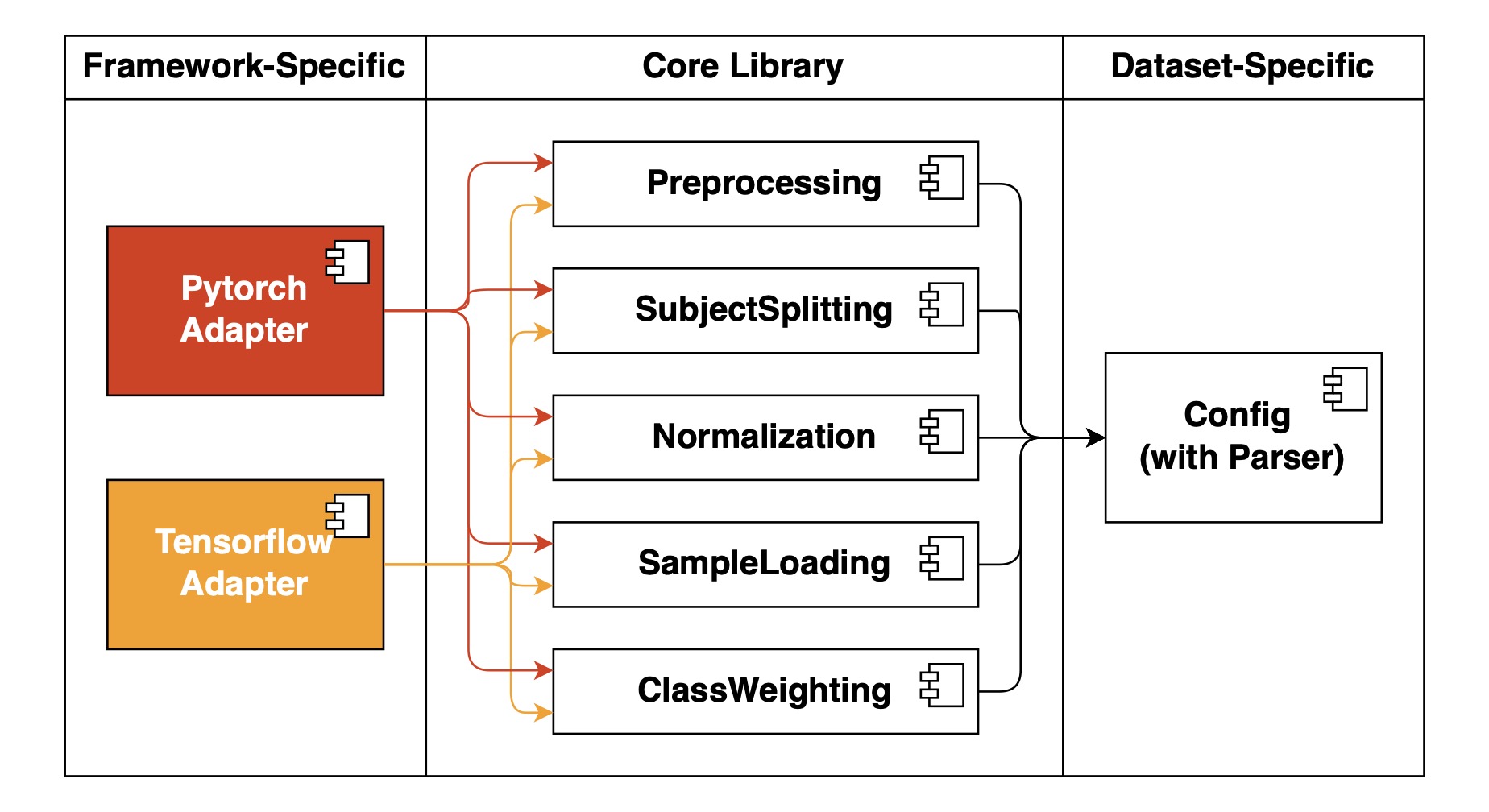
The WHAR Datasets library standardizes formats and preprocessing in Wearable Human Activity Recognition (WHAR) research. It offers a unified, open-source framework with configuration-driven workflows for easier dataset handling and model training. Supporting nine major datasets, library promotes reproducibility, comparability, and efficiency in WHAR research.

OpenWearables

OpenWearables

The OpenWearables project is an initiative to advance wearable computing by following open-hardware and open-software principles. It aims to create a research infrastructure and community that makes wearable devices more accessible, extensible, interoperable and impactful.

HammerHAI

HammerHAI

HammerHAI is a European initiative led by HLRS and partners that provides secure, scalable AI and HPC resources for industry and research. As part of the EuroHPC “AI Factories,” it makes compliant AI technologies accessible and supports innovation through consulting, training, and ready-to-use tools.

MicroNAS

MicroNAS

MicroNAS is a hardware-aware neural architecture search (HW-NAS) framework designed for time series classification on microcontrollers (MCUs). It automatically generates efficient neural networks that meet strict memory and latency constraints, enabling real-time machine learning directly on low-power embedded devices.

KD²School

KD²School

An interdisciplinary graduate school focused on designing adaptive IT systems that improve economic decision-making. The research explores the intersection of human behavior, technology, and institutions.

HIDSS4Health

HIDSS4Health

A premier doctoral school training the next generation of researchers to apply data science and AI to pressing health challenges, from advanced diagnostics to personalized therapies, in collaboration with leading German institutions.

SDIL

SDIL

A nationwide research platform providing cutting-edge Big Data infrastructure to foster collaboration between industry and academia, enabling innovative projects in Industry 4.0, smart cities, energy, and medicine.

FFPlus

FFPlus

In the FFLPlus project we aim to us a multimodal generative AI framework for metadata extraction from 2D CAD drawings. It leverages large vision–language models to interpret complex engineering layouts and automatically retrieve structured information, enabling scalable, secure, and efficient data management across manufacturing and construction workflows.

Start-Ups from TECO

Validaitor

Validaitor

Validaitor is a TECO research spin-off developing a comprehensive auditing and certification system for AI. Funded by the BMBF’s StartUpSecure KASTEL program, it ensures AI systems are trustworthy and compliant.

AskUI

AskUI

AskUI provides AI-powered automation by controlling operating systems rather than individual applications. By bringing vision to code, it enables developers to automate any use case across all platforms seamlessly.

Liftwise

Liftwise

Liftwise is a German startup providing an AI-powered fitness system for gyms. It uses a smart sensor armband and NFC technology to offer real-time technique feedback, automated tracking, and gamification.

Coronazähler

Coronazähler

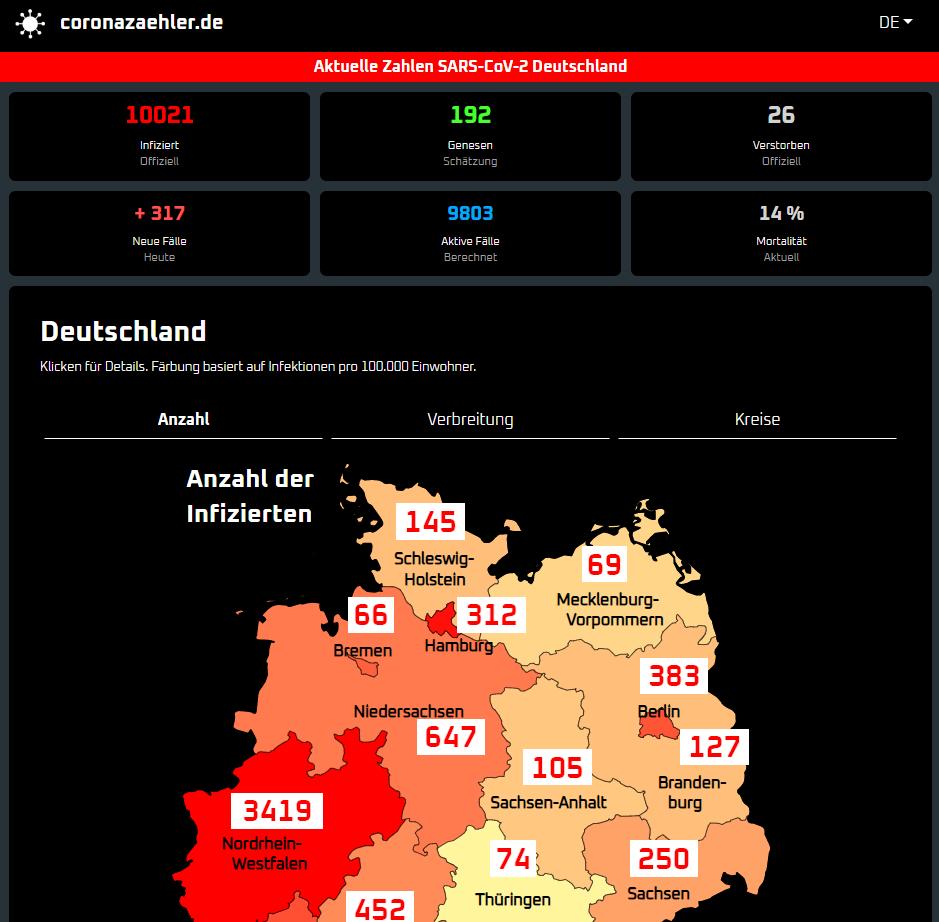
Coronazähler.de provides Germany’s most current COVID-19 tracking. Utilizing unique web-crawling technology and AI, the platform delivers real-time updates and intelligent forecasting to monitor and predict pandemic developments accurately.

HelioPasAI

HelioPasAI

HelioPas AI uses high-resolution data science to monitor crop health, optimizing farm operations and enabling personalized insurance products for the agricultural sector.

NovelSense

NovelSense

Founded in 2015, NovelSense leverages radio-sensing expertise to provide data science services while developing future-ready, proprietary context-recognition products.

TwoSense

TwoSense

TWOSENSE delivers continuous biometric authentication, monitoring behavior to provide zero-interruption MFA. It identifies unauthorized keyboard users instantly without requiring manual enrollment, additional hardware, or user training for seamless security.

Optonaut

Optonaut

Optonaut is a startup enabling 3D virtual reality panorama creation using only a smartphone. It produces stereoscopic "Optographs" viewable on any VR headset without requiring additional camera hardware.

Particle

Particle

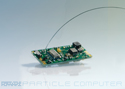
Particle Computer is a versatile Ubicomp platform featuring programmable wireless sensor nodes. Using the mobile AwareCon protocol, it supports scalable sensor networks with multi-year battery life for diverse professional applications.

Finished Projects

eseal

eSeal/DigiClip

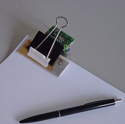
The eSeal concept researches how to extend the concept of seals to general objects using Ubiquitous Computing technology. It identifies which additional threads can be detected using an electronic seal an implements several prototype seals. A major implementation path of eSeal was the DigiClip. The DigiClip system allows the tracking, synchronization and and integrity control of paper-based documents with their electronic counterparts. Particles were integrated in a paper clip and allowed to obtain location information for a document. In conjunction with a document management system, the DigiClip device enabled a physical notification of changes of the electronic document. The sensors of the DigiClip device allow further the application of integrity rules on the physical document, such as document integrity on a single page-level, handling constraints and location restrictions. The DigiClip device hardware was built by the Adam Eames from MIT who did an internship at SAP at this time.
smart-its

Smart Its

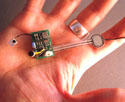
The Smart-Its project is interested in a far-reaching vision of computation embedded in the world. In this vision, mundane everyday artefacts become augmented as soft media, able to enter into dynamic digital relationships. In our project, we approach this vision with development of “Smart-Its” – small-scale embedded devices that can be attached to everyday objects to augment them with sensing, perception, computation, and communication. “Smart-Its” is enabling technology for building and testing ubiquitous computing scenarios, and we will use them to study emerging functionality and collective context-awareness of information artefacts. While the Smart-Its several types of wireless sensor nodes where build, communication protocols, applications are developed and and user studies performed.

mediacup-150x150

MediaCup

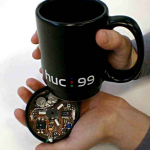
The MediaCup is an ordinary coffee cup augmented with sensing, processing and communication capabilities (integrated in the cup’s bottom), to collect and communicate general context information in a given environment. It is an example how to equip everyday objects with computing and communication capabilities. With the MediaCup setup (consisting of several cups and other equipment) we explored the added value of computerized everyday objects. The projects develops a proprietary ultra-low power infrared based communication system, a location aware routing mechanism, a hybrid location system and gains insight to user behaviour of everyday objects performing various studies.

particle-150x150

uParts

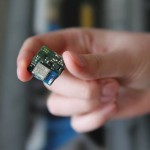
uParts are tiny little sensor network nodes that are very easy to deploy and run a 0-administration and low configuration (or 0-configuration when used with default) approach. The projects researches how to reach minimum deployment and maintenance costs of a sensor network and includes research on long lifetime hardware, 0-maintanance communication protocols, lower production costs and optimised application developer interfaces for ad-hoc programming. Application runs throughout the world provide feedback information that are evaluated in the project.

bPart-150x150

bParts

bPart BLE communicating familiy of devices for the Internet of Things (IoT). Options include IP65/IP67, Indoor solar energy harvesting (left bottom), outdoor environmental sensing, Smart Home devices, wearable/attachable devices.

ThumbVibCap-150x150

VibrationCap

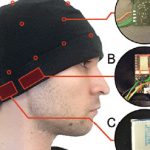
The VibrationCap is a beanie cap with 19 integrated ERM-type vibration motors which can be controlled individually through a Bluetooth Low Energy connection. It was built to study the vibrotactile sensitivity of the human head. The use-cases for such vibration wearables are ranging from navigational aid and use as a study tool all the way to entertainment (e.g. visualizing music).