AI-Driven Autocalibration of a Heterogeneous Sensor Network
This project develops algorithms for automatic calibration of heterogeneous IoT sensor networks using AI and self-learning approaches.
Since its founding in 1993, the TECO research group has been directing a multitude of projects across a wide range of research topics which can be divided into three broader Research Fields: Analytics, Human-Computer Interaction, and Sensors and Systems.

With partners from relevant industry sectors and the core idea to tie research and industry closer together, all of these projects are tightly linked to one or multiple Application Areas, most importantly Big Data, the Internet of Things & Industry 4.0, Mobile & Wearable Computing, and Smart Cities.
With the rise of Ubiquitous Computing, computers and therefore sensors have become omnipresent in our daily life. Likewise, Industry 4.0 strategies have introduced sensors in the supply chain and production processes. The TECO research group develops and analyses improvements in how these sensors collect information, connect with each other, and interchange and process data to enable innovative processes throughout society in business, Smart City, industrial and private settings. Other projects study how people interact with electronic devices and which tools can assist individuals or teams in different environments to benefit from technological advancement. Finding new forms of preparing and conveying information by using Augmented Reality or special feedback methods suited for particular contexts is essential to maximize the efficiency and usability of these computer systems.

OpenEarable is an open-source, AI-enabled platform for ear-based sensing applications with true wireless audio. The modular and reconfigurable platform is packed with a variety of high-precision sensors, designed for both development and research applications.
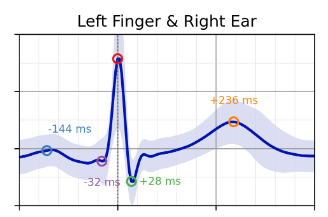
Finger-to-Ear ECG explores earbud-based cardiac monitoring by combining an in-ear electrode with finger contact, enabling high-quality ECG recordings and morphology preservation in a practical wearable form factor.
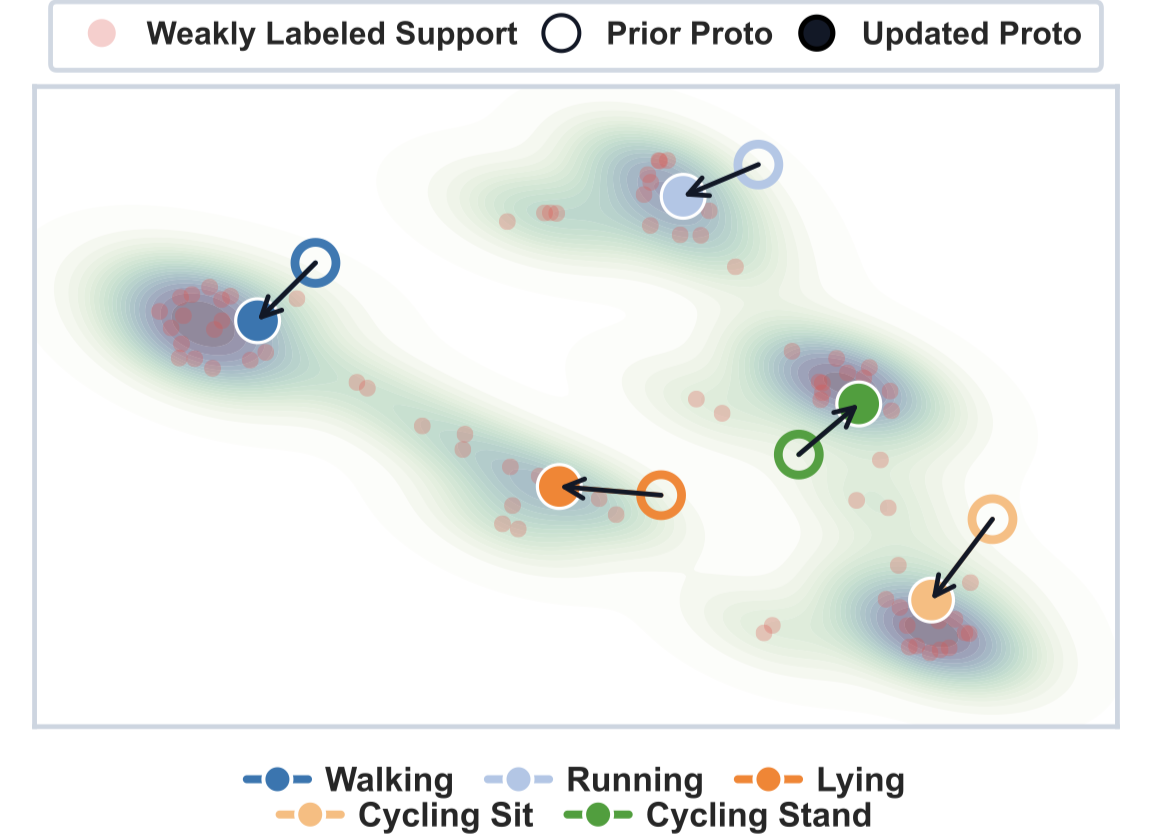
BayaHAR enables lightweight, gradient-free personalization of pretrained wearable HAR models to new users using only a few seconds of labeled or weakly labeled calibration data, supporting efficient and robust on-device adaptation.
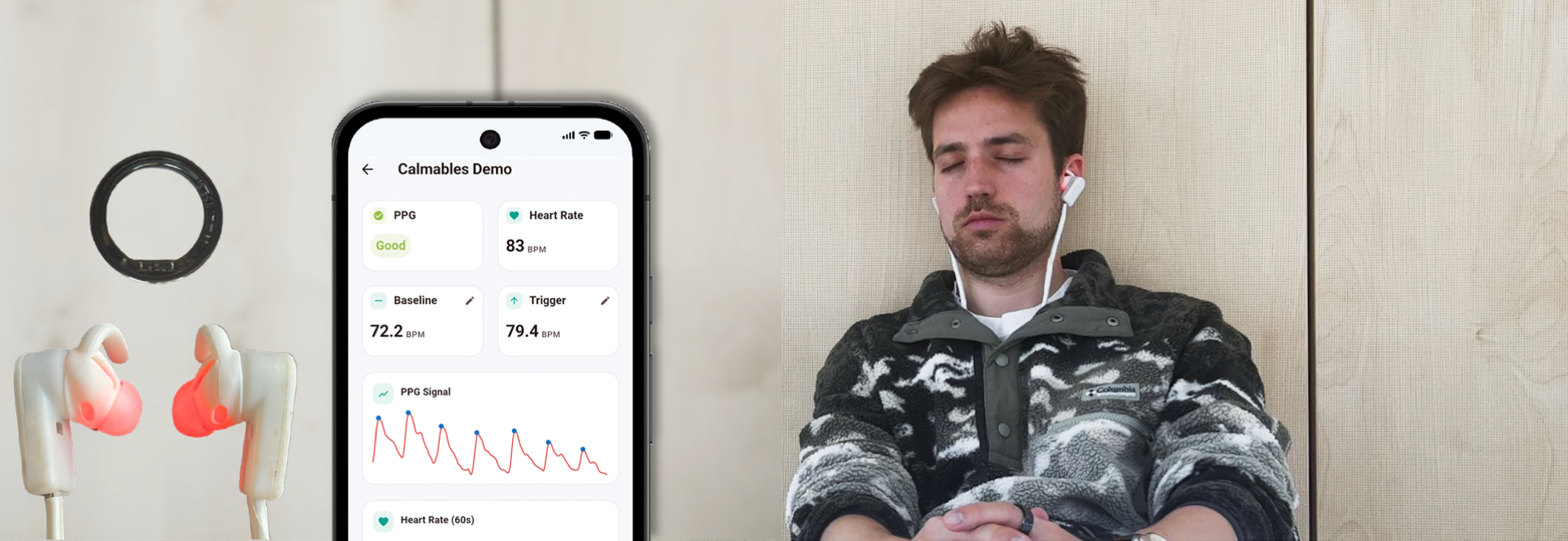
Calmables is a closed-loop infrared earable designed to explore thermal biofeedback for relaxation support. The system uses heart-rate data from a smart ring to establish an individual baseline and identify periods of elevated physiological activation. When a personalized threshold is reached, the earable delivers a subtle, localized warming stimulus to the ear using infrared light. A companion smartphone application coordinates the interaction and visualizes physiological changes, while independent temperature limits and communication fail-safes ensure safe operation. In a preliminary placebo-controlled evaluation with 18 participants, the active prototype received higher ratings for perceived relaxation and recovery support than an identical-looking placebo device. Calmables demonstrates how physiological sensing and unobtrusive thermal stimulation can be combined to make biofeedback tangible and support brief moments of recovery.

EarStreAM is a closed-loop earable system that detects stress through in-ear sensing and automatically delivers personalized, LLM-generated meditation, adapting the intervention until the user’s physiological state returns toward baseline.
This project systematically reviews affective wearable haptic interventions, examining how touch-based wearables regulate emotions and well-being across haptic modalities, body locations, intervention mechanisms, and application contexts.
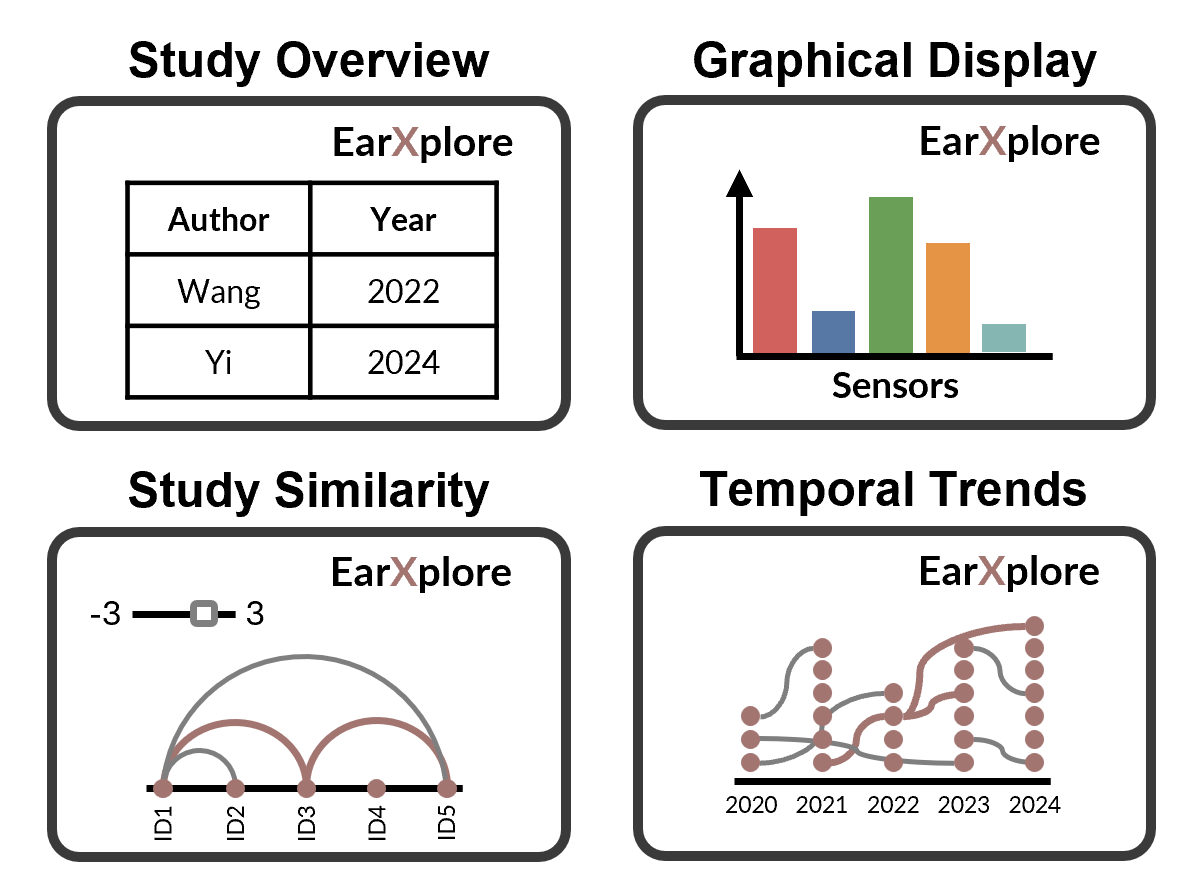
EarXplore is an evolving, interactive database that organizes and visualizes research on earables. It helps the community explore existing studies, uncover trends, and shape the future of earable technology.

edge-ml is an embedded-first machine learning framework designed to help developers build models for microcontrollers faster and more robustly. As a browser-based, end-to-end solution, it simplifies the entire ML pipeline into a few simple steps: recording data, labeling samples, training models, and deploying validated embedded machine learning directly on the edge.

HammerHAI is a European initiative led by HLRS and partners that provides secure, scalable AI and HPC resources for industry and research. As part of the EuroHPC “AI Factories,” it makes compliant AI technologies accessible and supports innovation through consulting, training, and ready-to-use tools.
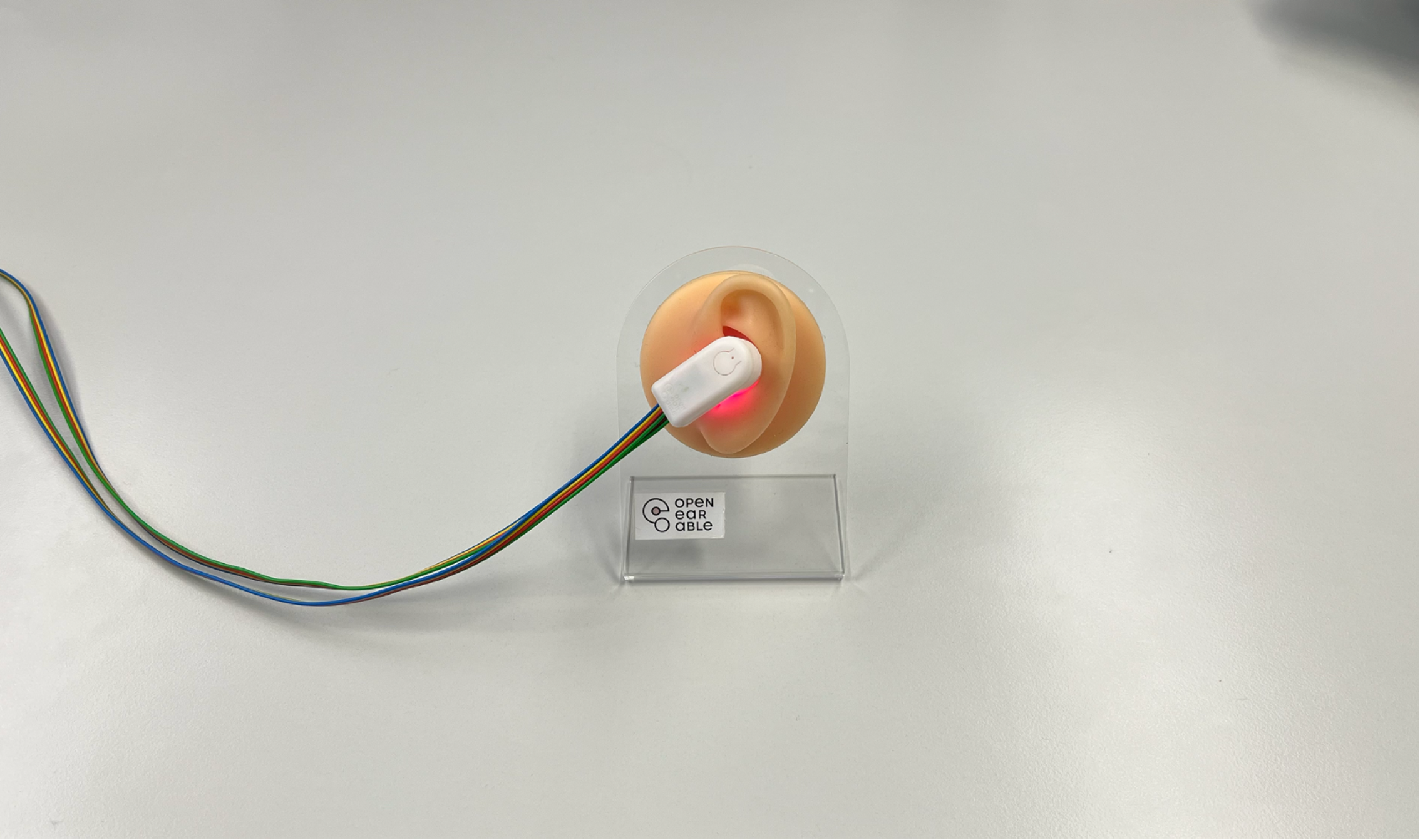
Heatables investigates the use of near-infrared (NIR) and infrared (IR) optical stimulation within the human ear to modulate thermal perception and comfort. The project explores the auditory canal as a novel physiological and perceptual interface for personalized thermal regulation.
MicroNAS is a hardware-aware neural architecture search (HW-NAS) framework designed for time series classification on microcontrollers (MCUs). It automatically generates efficient neural networks that meet strict memory and latency constraints, enabling real-time machine learning directly on low-power embedded devices.
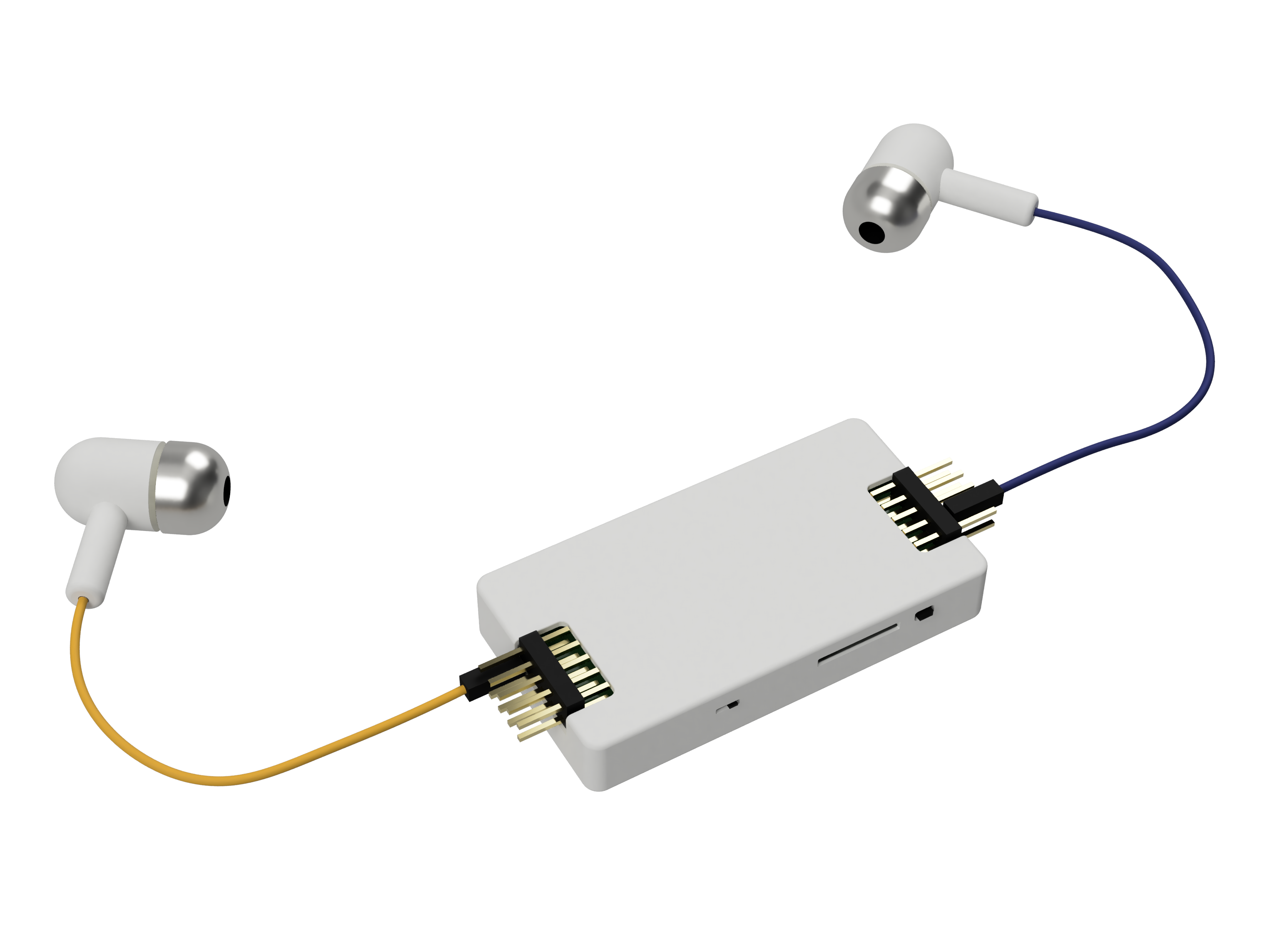
An open-source hardware extension of the OpenEarable 1.3 platform that enables multifunctional biopotential sensing (EEG, EMG, EOG) in the ear, paving the way for new applications in HCI and wearable health.

The OpenWearables project is an initiative to advance wearable computing by following open-hardware and open-software principles. It aims to create a research infrastructure and community that makes wearable devices more accessible, extensible, interoperable and impactful.
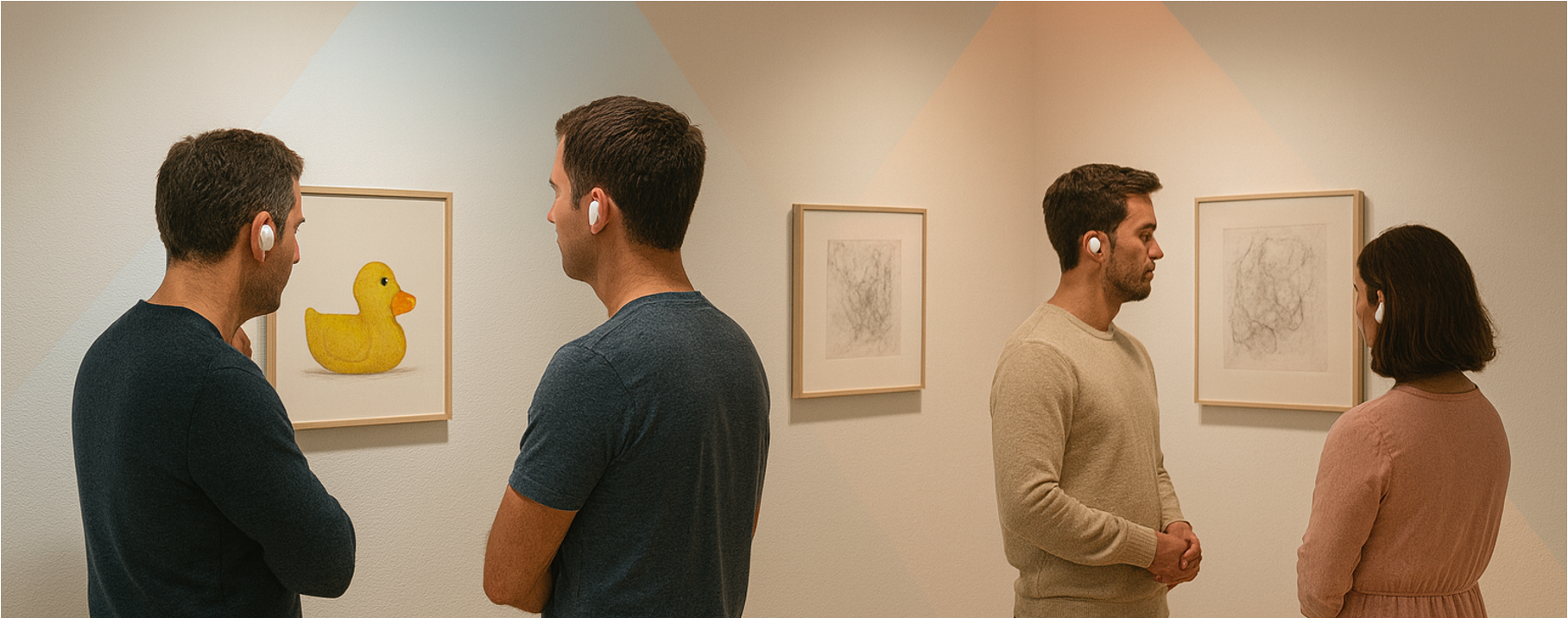
UltrasonicSpheres creates localized ultrasonic audio zones in space, audible only when wearing OpenEarable 2.0. As users move between zones, they automatically hear the corresponding audio — with spatial direction preserved and no sound leaking into the environment. The system enables natural, hands-free, location-based audio experiences using off-the-shelf speakers and open-source earables.
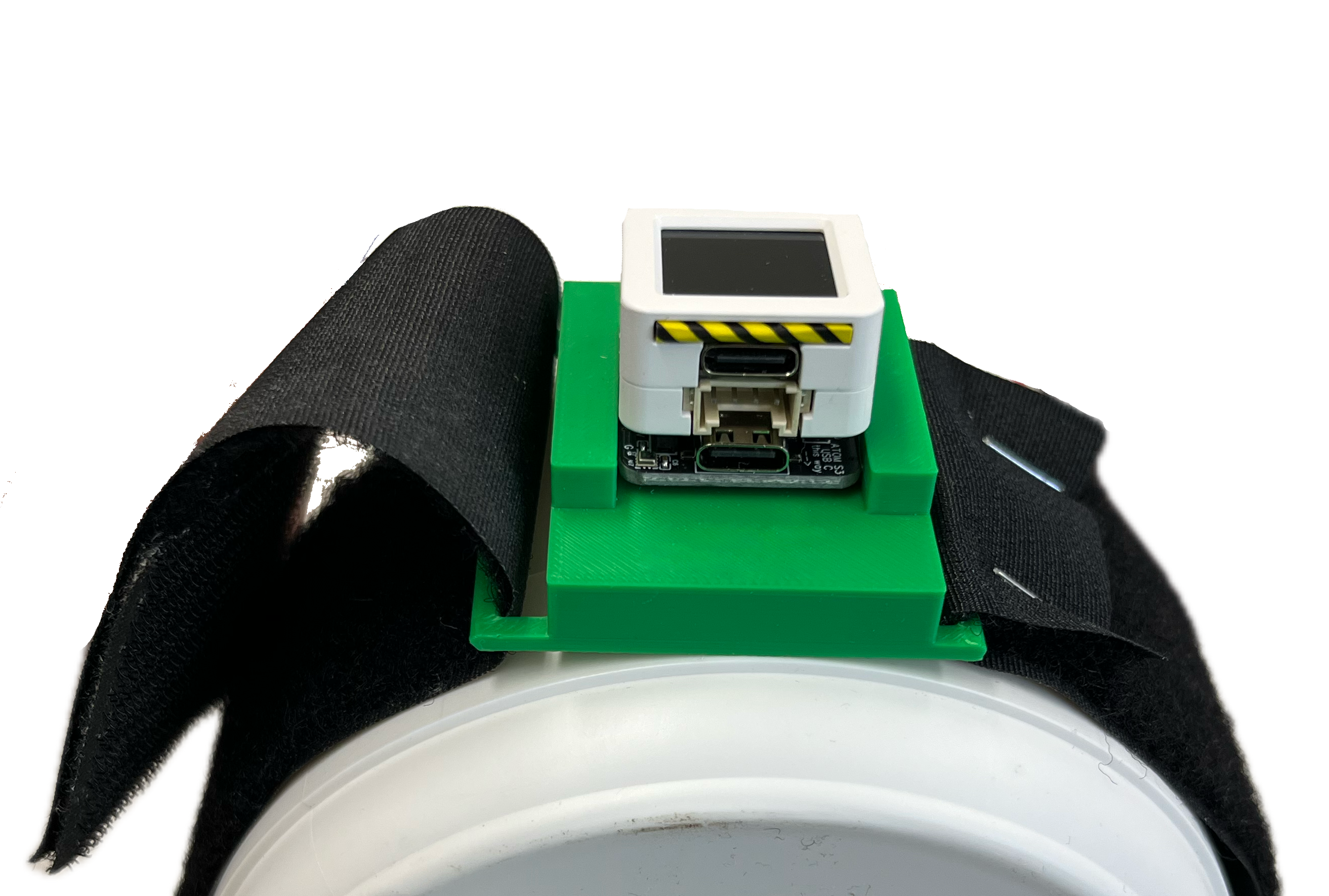
HARNode is an open-source, time-synchronised wearable system that enables scalable, multi-device human activity recognition (HAR) in real-world environments. Each node combines IMU and pressure sensors in a compact, Wi-Fi-connected module for high-precision motion data collection.
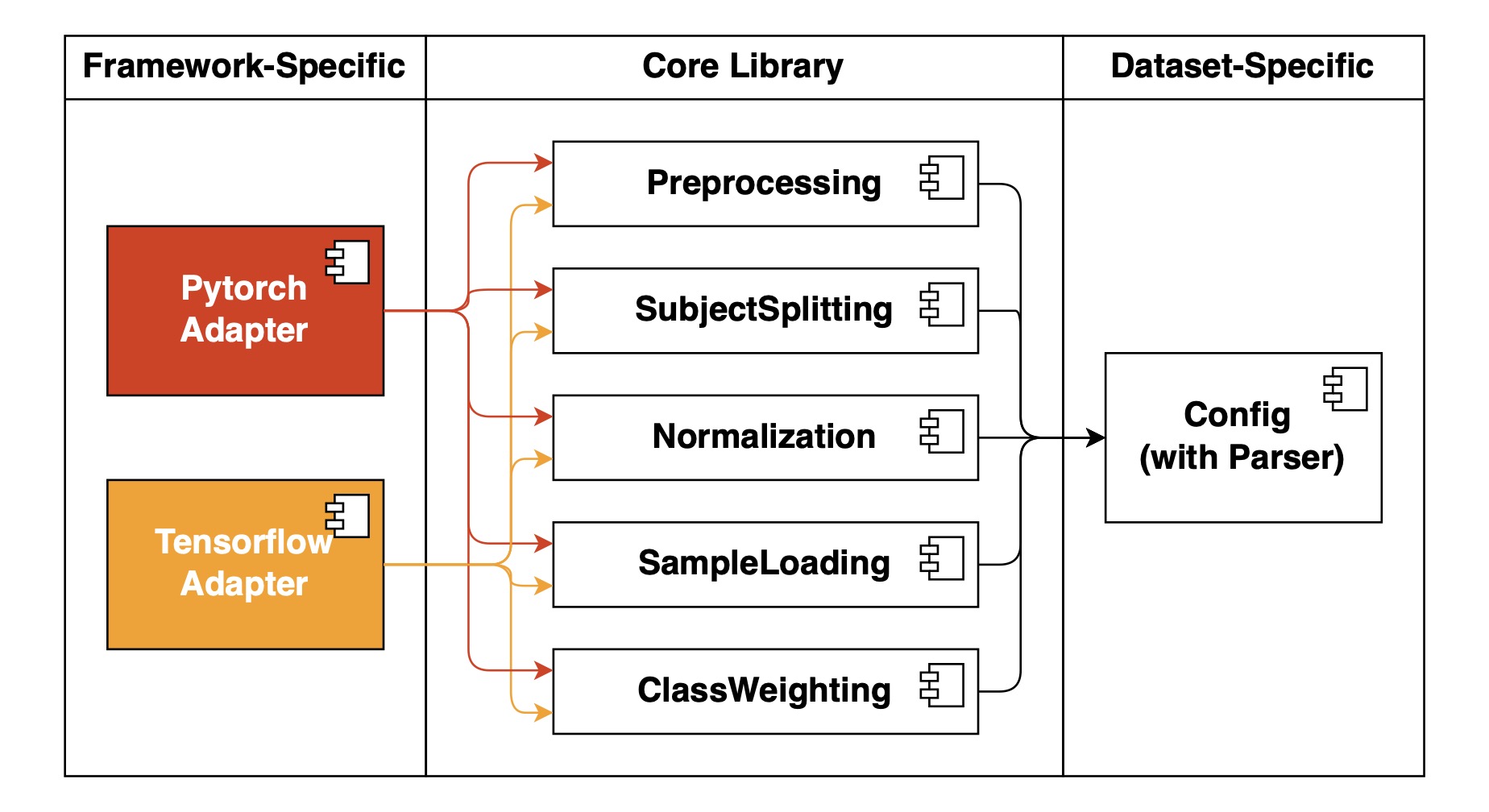
The WHAR Datasets library standardizes formats and preprocessing in Wearable Human Activity Recognition (WHAR) research. It offers a unified, open-source framework with configuration-driven workflows for easier dataset handling and model training. Supporting nine major datasets, library promotes reproducibility, comparability, and efficiency in WHAR research.
In the FFLPlus project we aim to us a multimodal generative AI framework for metadata extraction from 2D CAD drawings. It leverages large vision–language models to interpret complex engineering layouts and automatically retrieve structured information, enabling scalable, secure, and efficient data management across manufacturing and construction workflows.

A premier doctoral school training the next generation of researchers to apply data science and AI to pressing health challenges, from advanced diagnostics to personalized therapies, in collaboration with leading German institutions.

An interdisciplinary graduate school focused on designing adaptive IT systems that improve economic decision-making. The research explores the intersection of human behavior, technology, and institutions.

A nationwide research platform providing cutting-edge Big Data infrastructure to foster collaboration between industry and academia, enabling innovative projects in Industry 4.0, smart cities, energy, and medicine.

AskUI provides AI-powered automation by controlling operating systems rather than individual applications. By bringing vision to code, it enables developers to automate any use case across all platforms seamlessly.
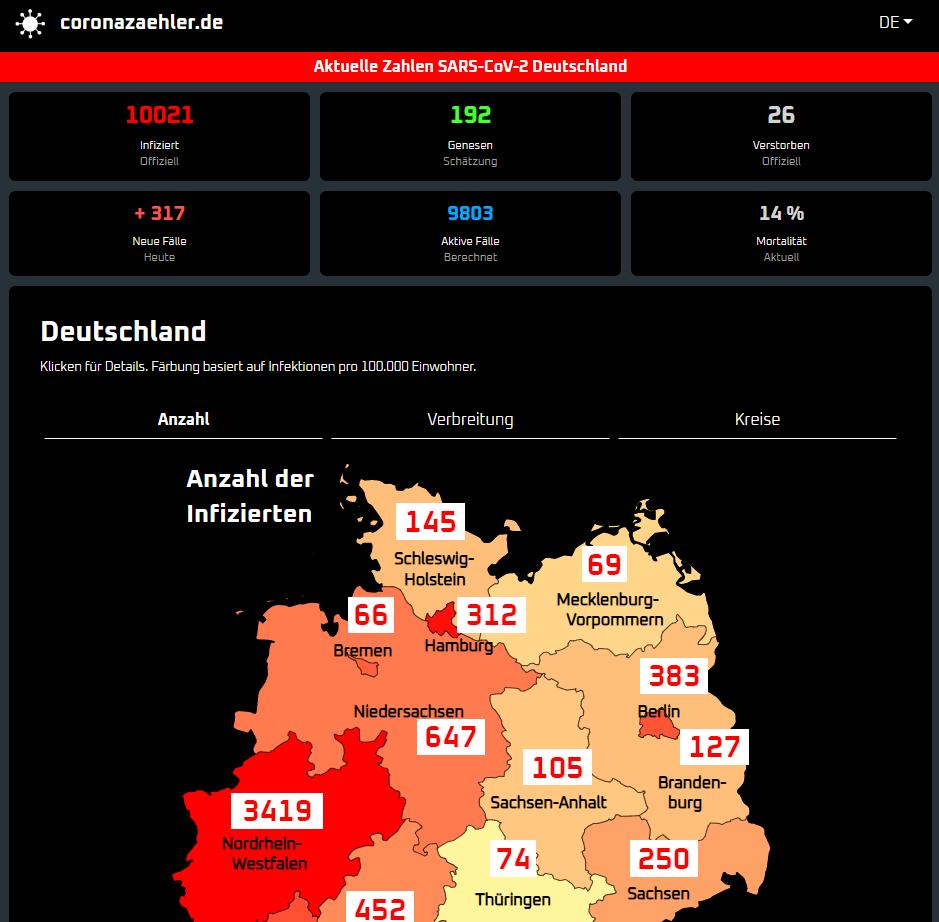
Coronazähler.de provides Germany’s most current COVID-19 tracking. Utilizing unique web-crawling technology and AI, the platform delivers real-time updates and intelligent forecasting to monitor and predict pandemic developments accurately.
HelioPas AI uses high-resolution data science to monitor crop health, optimizing farm operations and enabling personalized insurance products for the agricultural sector.

Liftwise is a German startup providing an AI-powered fitness system for gyms. It uses a smart sensor armband and NFC technology to offer real-time technique feedback, automated tracking, and gamification.

Founded in 2015, NovelSense leverages radio-sensing expertise to provide data science services while developing future-ready, proprietary context-recognition products.

Optonaut is a startup enabling 3D virtual reality panorama creation using only a smartphone. It produces stereoscopic "Optographs" viewable on any VR headset without requiring additional camera hardware.
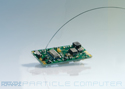
Particle Computer is a versatile Ubicomp platform featuring programmable wireless sensor nodes. Using the mobile AwareCon protocol, it supports scalable sensor networks with multi-year battery life for diverse professional applications.
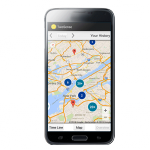
TWOSENSE delivers continuous biometric authentication, monitoring behavior to provide zero-interruption MFA. It identifies unauthorized keyboard users instantly without requiring manual enrollment, additional hardware, or user training for seamless security.

Validaitor is a TECO research spin-off developing a comprehensive auditing and certification system for AI. Funded by the BMBF’s StartUpSecure KASTEL program, it ensures AI systems are trustworthy and compliant.

This project develops algorithms for automatic calibration of heterogeneous IoT sensor networks using AI and self-learning approaches.
Aletheia develops tools for automatic annotation and analysis of sensor data to improve data integrity and usability.

Servicing the factory of the future raises challenges for service teams and organizations. The industrial plant environment is changing rapidly due to new technologies such as the Internet of Things or intelligent automation Devices, both capable of producing large amounts of exploitable data. This demo presents how the on-site handling of data can be assisted through a combination of a lightweight service architecture and augmented reality.
The AR Sensors project merges augmented reality (AR) with sensor visualization, allowing users to view sensor data overlaid in physical space.
ARCTUS (AI-based Remote Condition Tracking for Unitary Systems) focuses on monitoring refrigeration condensing units through distributed sensor data and AI models.
askui brings vision to your code and automates any technology and any use case by automating operating systems instead of applications.